
- Kristina Matiukaitė-PukėnienėSocial pedagogue
- Renata JonaitienėSpeech therapist (methodologist)
- Arts educationArts (music) teacher
- Valentina MickienėPublic health specialist
- Liucija GriškėnienėCatering and hygiene practice coordinator
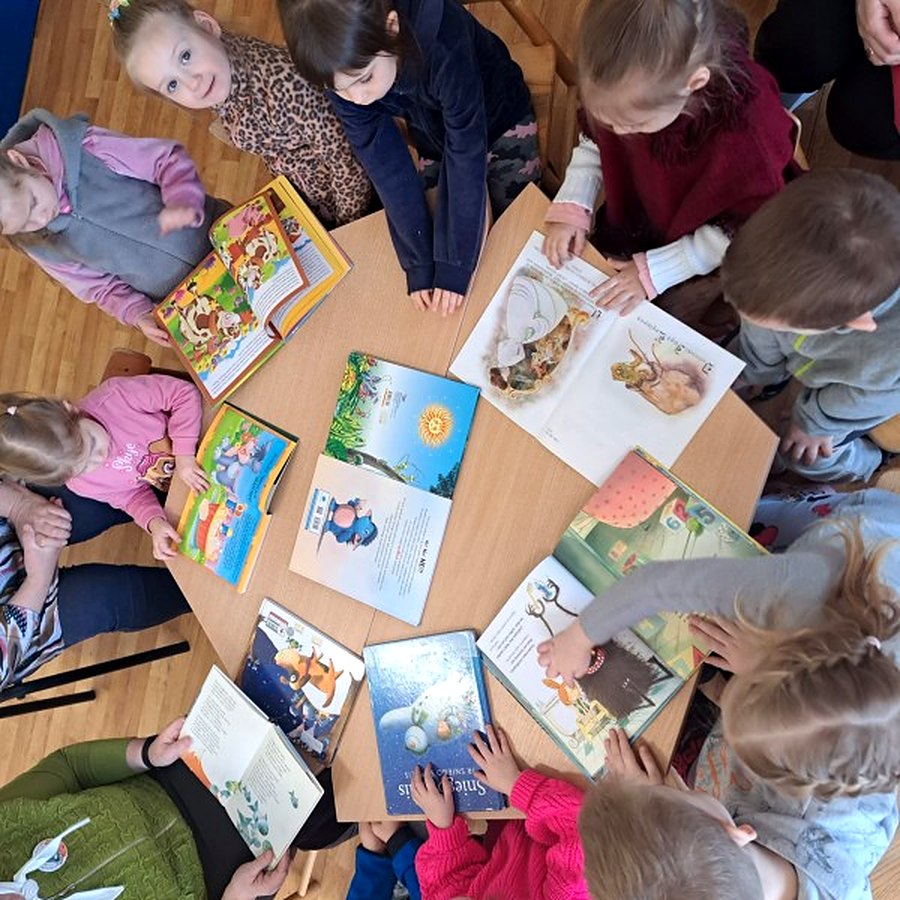
Speech therapist (methodologist)
Renata Jonaitienė
Opening hours
| Monday | Tuesday | Wednesday | Thursday | Friday | |
|---|---|---|---|---|---|
| Contact work | 14.00-17.00 | 13.30-17.00 | 7.30-12.00 | ||
| Non-contact work | 17.00-19.00 | 12.00-17.00 |
Other activities (2 h 30 min)
- Work planning, documentation management, professional development.
- Preparation of speech and language development programmes.
- Preparation for exercise sessions.
- Preparation of teaching aids.
- Work in the Child Welfare Commission.
- Cooperation with the Rokiškis Pedagogical Psychological Service and specialists from other educational institutions.
- Providing methodological support to teachers.
- Advising parents on children's language development.


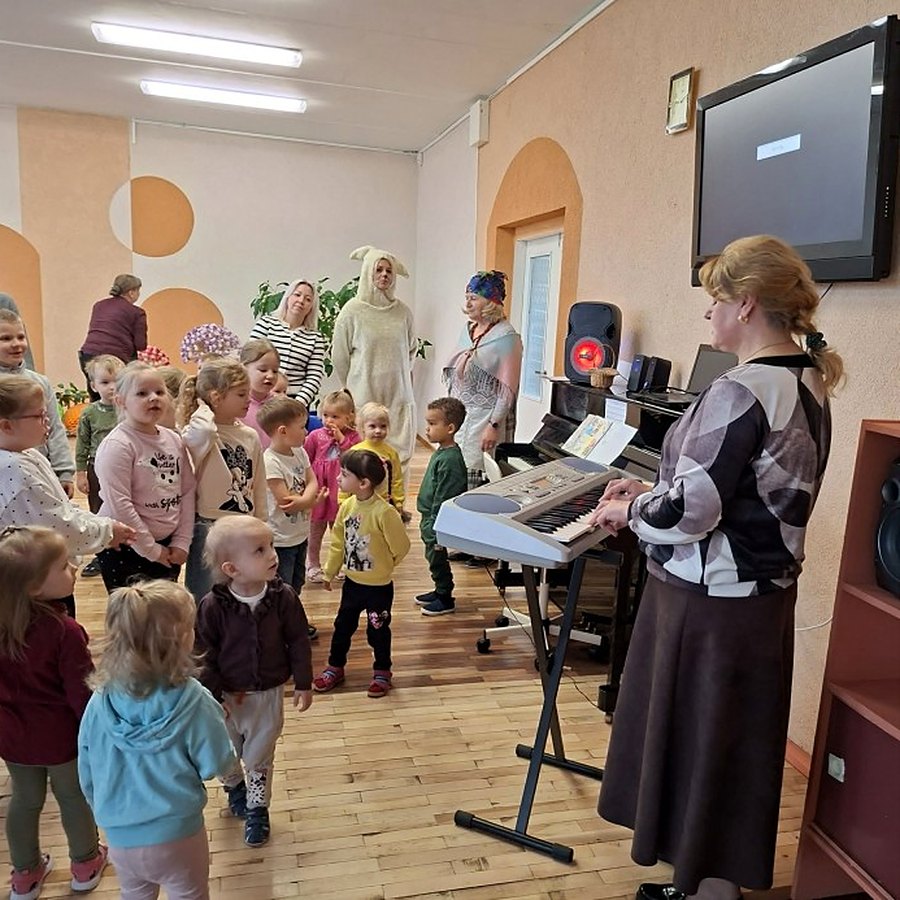
Arts (music) teacher
Arts education
Music sessions: various songs are sung (by theme, season, etc.). Musical and improvisation games are played, various dance movements are performed to music, and children express themselves. Various children's musical instruments are played: rattles, wooden sticks, drums, bells, etc.
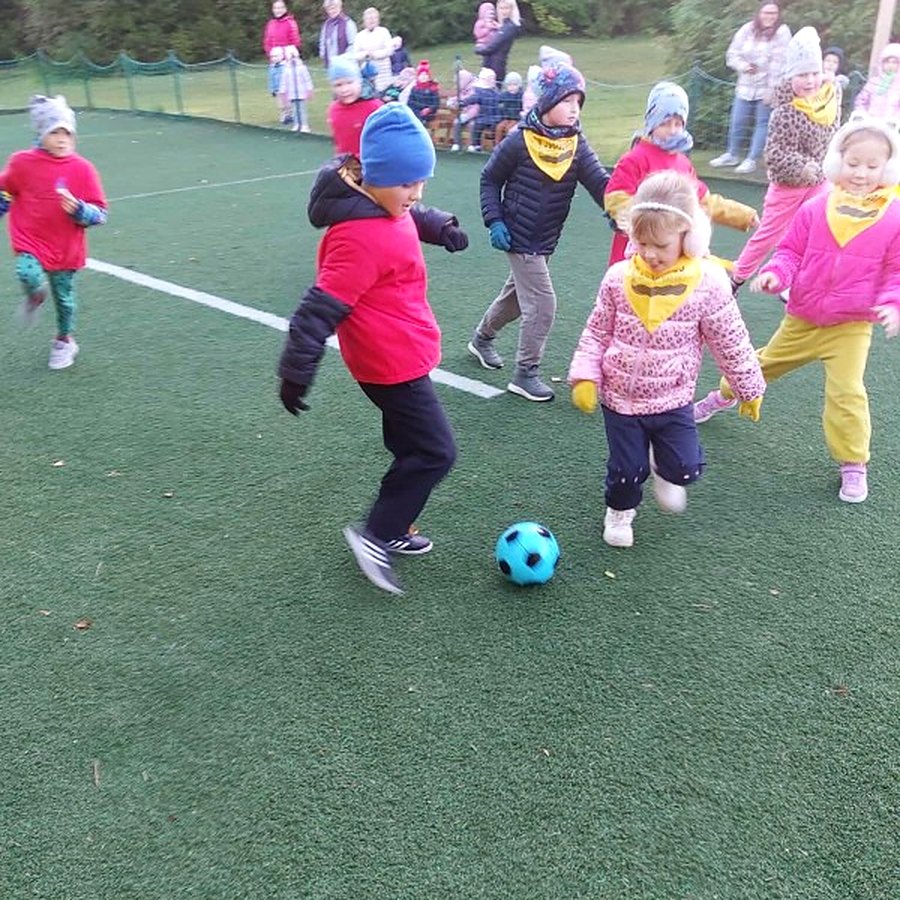
Sports sessions: sessions are organised by the teachers with the help of the arts teacher, who provides musical accompaniment during exercises, various games and active pursuits.
Opening hours
| Monday | Tuesday | Wednesday | Thursday | Friday | |
|---|---|---|---|---|---|
| Contact work | 8.30-11.30 | 8.30-12.00 | 8.30-12.00 | ||
| Non-contact work | 11.30-17.30 |
Public health specialist
Valentina Mickienė
Social pedagogue
Kristina Matiukaitė-Pukėnienė
The social pedagogue is an advocate for the child's welfare.
Opening hours
When should you contact the social pedagogue?
Good to know!
A child's emotional intelligence consists of social and emotional skills that help them to recognise, become aware of and manage feelings. The latest research shows that children with emotional skills are happier, more self-confident and do better at learning.
Developing emotional intelligence at kindergarten helps children to join in group activities successfully, make friends, overcome difficulties and cope with stress. These skills support the child's smoother further development in the social sphere, and in the future the children become responsible adults.
Parents are always welcome!